Iran Escalates Tensions: Missiles Target UAE, Drones Strike Tanker
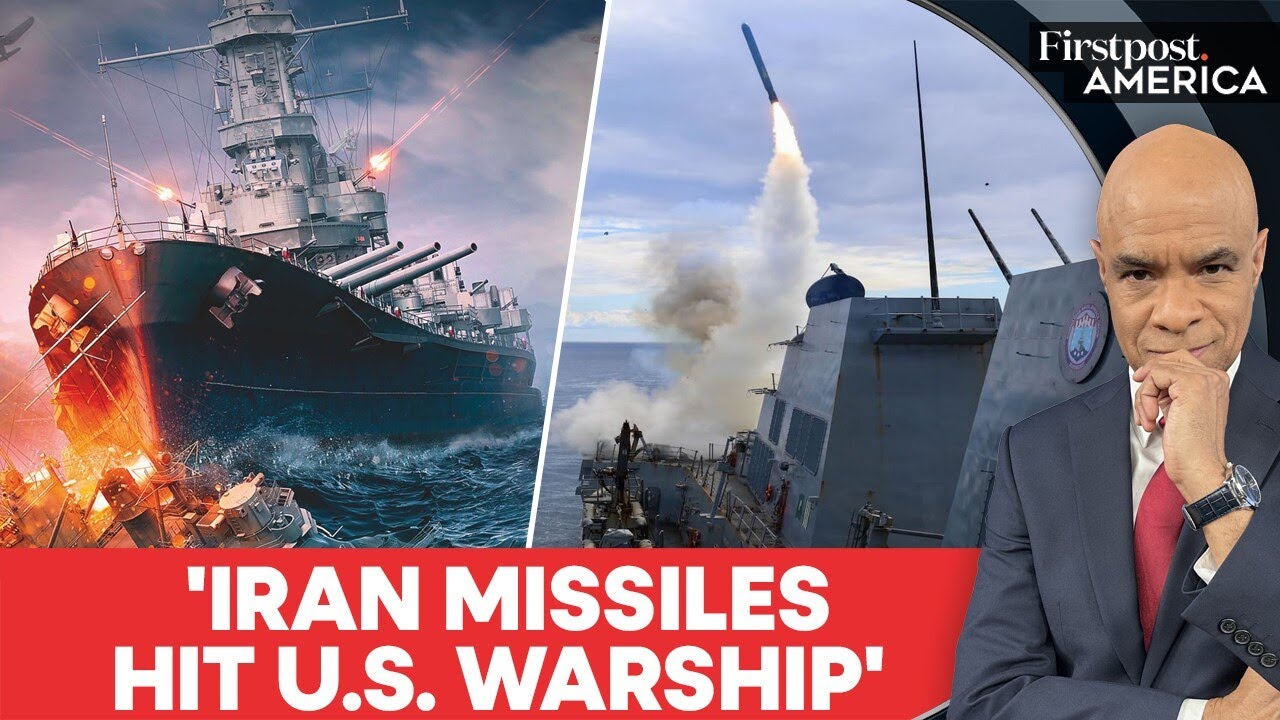
In a significant escalation, **Iran** reportedly launched cruise missiles, drones, and small boats targeting U.S. commercial and military vessels in the…
Summary
In a significant escalation, **Iran** reportedly launched cruise missiles, drones, and small boats targeting U.S. commercial and military vessels in the **Strait of Hormuz** and the Sea of Oman. **U.S. Navy Admiral Brad Cooper** confirmed the attacks, stating that U.S. forces destroyed six Iranian small boats attempting to interfere. Iran's state-run IRNA news agency, however, denied these claims. The incidents occurred as the **U.S. military**, under President **Trump's** "Project Freedom," began actively guiding ships through the strait, a move Iran insists it controls. Authorities in the **United Arab Emirates (UAE)** also reported a fire at the Fujairah Oil Industry Zone amid these "missile and drone attacks coming from Iran." This confrontation highlights the ongoing geopolitical friction over control of this critical global oil transit point. While the U.S. asserts its authority and ability to protect shipping, Iran maintains its claim over the strait, creating a dangerous dynamic. The conflicting reports from U.S. and Iranian sources underscore the deep mistrust and information warfare characteristic of this volatile region, with implications for global energy markets and international security.
Key Takeaways
- Iran launched missile and drone attacks targeting U.S. vessels and the UAE.
- The U.S. military claims to have destroyed Iranian boats involved in the interference.
- Iran denies the U.S. claims and asserts its control over the Strait of Hormuz.
- The U.S. is actively guiding ships through the strait under President Trump's initiative.
- The incidents raise significant concerns for global energy security and regional stability.
Balanced Perspective
Reports from both U.S. and Iranian sources present conflicting narratives regarding the extent of the attacks and the effectiveness of U.S. counter-actions. **Admiral Brad Cooper** claims U.S. forces destroyed six Iranian boats, while **IRNA** denies this. The UAE confirmed attacks from Iran, but the exact nature and impact remain under scrutiny. The U.S. initiative to guide ships through the Strait of Hormuz directly challenges Iran's assertion of control, creating a tense but currently contained standoff.
Optimistic View
The U.S. military's decisive action in destroying Iranian vessels demonstrates a strong commitment to maintaining freedom of navigation and deterring further aggression. **Project Freedom** signifies a proactive strategy to ensure the unimpeded flow of global commerce, bolstering confidence in the stability of vital shipping lanes. This robust response reassures allies and signals to Iran that its provocations will be met with swift and effective countermeasures, potentially de-escalating future tensions by establishing clear red lines.
Critical View
Iran's missile and drone attacks on the UAE and vessels in the Strait of Hormuz represent a dangerous escalation, potentially triggering a wider regional conflict. The conflicting reports and Iran's denial of U.S. successes suggest a deliberate attempt to sow confusion and undermine U.S. authority. The presence of U.S. commercial vessels under military escort, while intended to ensure passage, could inadvertently draw more direct fire, increasing the risk of miscalculation and unintended escalation with severe consequences for global energy security.
Source
Originally reported by CBS News